
Introduction
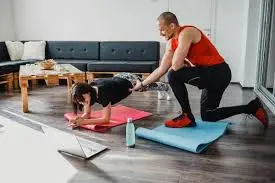
Personal training at home has become one of the most popular fitness options for people who want results without the stress of going to a gym. Many beginners feel nervous in fitness centers, while intermediate learners often struggle with time, consistency, or motivation. Training at home removes many of these barriers and makes fitness more comfortable and realistic.
In simple terms, personal training at home means working with a qualified trainer in your own space. This could be your living room, garage, backyard, or even a small apartment area. The trainer designs workouts based on your goals, fitness level, and available equipment. As a result, every session feels personal and focused.
Another reason personal training at home is growing fast is convenience. You do not need to travel, wait for machines, or adjust your schedule around gym hours. Instead, fitness fits into your life naturally. This makes it easier to stay consistent, which is the real secret to progress.
For beginners, home training offers privacy and confidence. For intermediate readers, it allows better goal tracking and advanced programming. In both cases, the experience feels more supportive and less overwhelming.
This guide will walk you through everything you need to know. You will learn what personal training at home is, why it matters, how to start step by step, its benefits, risks, mistakes to avoid, and expert tips. By the end, you will clearly understand if this fitness approach is right for you.
What is Personal Training at Home?
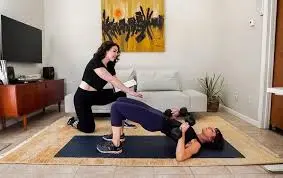
Personal training at home is a fitness service where a certified trainer delivers customized workout sessions in your home environment. Instead of attending a gym, the trainer comes to you and adapts exercises to your space and needs.
The trainer evaluates your fitness level, health history, and goals. Based on this information, they create a personalized workout plan. Sessions may include strength training, cardio, mobility work, and flexibility exercises.
Personal training at home can be done one-on-one or with a partner. Some trainers also offer family sessions. Equipment may be minimal, such as resistance bands, dumbbells, or bodyweight exercises.
This approach focuses on comfort, safety, and consistency. It removes distractions and allows full attention from the trainer. Over time, clients often develop better habits and confidence in their own space.
Why is Personal Training at Home Important?
Personal training at home is important because it removes common obstacles that prevent people from exercising regularly. Many people skip workouts due to lack of time, travel issues, or gym anxiety.
Training at home creates a familiar environment. This reduces stress and helps people focus on learning proper movement. Good form is easier to teach when distractions are limited.
Another key reason is personalization. Unlike general workout plans, home training adapts to your daily routine. This makes fitness more sustainable in the long run.
Personal training at home also supports long-term health. It encourages consistency, builds strength safely, and reduces injury risk. For many people, this approach turns fitness into a lifestyle instead of a short-term goal.
Detailed Step-by-Step Guide
Step 1: Define Your Fitness Goals
Start by identifying what you want to achieve. Clear goals guide the entire process.
Common goals include:
- Weight loss
- Muscle building
- Improved flexibility
- Better endurance
- Injury recovery
Be realistic and specific. For example, aim to exercise three times per week or improve strength within three months.
Step 2: Assess Your Space and Equipment
Check how much space you have available. A small area can still work well.
Look at:
- Floor space for movement
- Ceiling height
- Ventilation
- Lighting
You do not need expensive equipment. Many home personal trainer programs use bodyweight exercises.
Step 3: Choose the Right Trainer
Find a qualified trainer with experience in at-home fitness training. Certifications and client reviews matter.
A good trainer should:
- Understand your goals
- Communicate clearly
- Adjust workouts safely
- Offer motivation and accountability
Always discuss expectations before starting.
Step 4: Schedule Consistent Sessions
Consistency is more important than intensity. Choose days and times you can realistically maintain.
Short sessions done regularly are better than long sessions done rarely. Personal training at home works best when it fits your routine.
Step 5: Follow a Structured Program
Your trainer should provide a clear plan. This includes warm-ups, main exercises, and cool-downs.
Programs should progress gradually. This helps avoid injuries and supports steady improvement.
Step 6: Track Progress and Adjust
Tracking results keeps you motivated. Measure progress through strength gains, energy levels, or body measurements.
Your trainer should adjust the plan as you improve. This keeps workouts effective and challenging.
Benefits of Personal Training at Home

- Personalized workout plans tailored to your goals
- Convenience and time savings
- Increased privacy and comfort
- Reduced gym anxiety
- Flexible scheduling
- Better focus and attention
- Safer training environment
- Higher consistency and motivation
Disadvantages / Risks
- Limited access to gym equipment
- Higher cost compared to group classes
- Space limitations in small homes
- Potential distractions at home
- Trainer availability issues
- Less social interaction
Common Mistakes to Avoid
Many people make simple mistakes that slow progress. Being aware helps you avoid them.
One common mistake is skipping warm-ups. This increases injury risk. Another mistake is setting unrealistic goals that lead to frustration.
Some people rely too much on the trainer and avoid learning proper form. Others cancel sessions often, breaking consistency.
Ignoring recovery is also a problem. Rest days are important for progress. Lastly, choosing an unqualified trainer can lead to poor results.
FAQs
Is personal training at home suitable for beginners?
Yes, personal training at home is ideal for beginners. It offers a comfortable environment where you can learn basic movements without pressure. Trainers adjust exercises to your level and focus on safety.
How many sessions per week are recommended?
Most people benefit from two to three sessions per week. This allows enough time for recovery while maintaining progress. Your trainer can adjust based on your goals.
Do I need equipment for home training?
No, equipment is not required at the beginning. Many effective workouts use bodyweight exercises. Over time, simple tools may be added.
Can personal training at home help with weight loss?
Yes, personal training at home supports weight loss through structured workouts and accountability. Trainers also guide lifestyle habits that support fat loss.
Is personal training at home safe?
When done with a qualified trainer, it is very safe. Trainers focus on proper form, controlled movements, and gradual progress to reduce injury risk.
How long does it take to see results?
Most people notice improvements within four to six weeks. Results depend on consistency, effort, and nutrition habits.
Expert Tips & Bonus Points
Start with small goals to build confidence. Communicate openly with your trainer about pain or discomfort.
Wear comfortable clothing and supportive shoes. Keep water nearby during sessions.
Create a dedicated workout space, even if small. This helps build routine and focus.
Lastly, treat personal training at home as an investment in your health, not an expense.
Conclusion
Personal training at home is a practical and effective fitness solution for beginners and intermediate learners. It removes common barriers such as time limits, gym anxiety, and lack of motivation. By training in your own space, you gain comfort, privacy, and flexibility that traditional gyms often cannot provide.
This approach allows for full personalization. Your workouts are designed around your goals, schedule, and abilities. Over time, this leads to better consistency and safer progress. With the guidance of a skilled trainer, you learn proper form, build strength, and improve overall health.
However, success depends on commitment. Showing up regularly, communicating honestly, and following the program are key factors. Avoid common mistakes, stay patient, and trust the process.