
Introduction
Losing weight can feel confusing, especially when you want results quickly. Many people try extreme plans, only to feel tired, hungry, and frustrated. A fast weight loss diet does not have to be painful or dangerous. When done the right way, it can help you lose fat, boost confidence, and improve your health without harming your body.
This guide is written for beginners and intermediate readers who want clear and honest information. You will not find unrealistic promises or magic solutions here. Instead, you will learn practical steps that actually work. A fast weight loss diet focuses on smart food choices, portion control, and healthy habits that support your body.
In the first weeks, fast results can be motivating. Seeing the scale move helps many people stay consistent. However, speed should never replace safety. That is why this article explains not only what to do, but also why it works and what to avoid.
You will discover how to structure meals, which foods support quick fat loss, and how lifestyle habits play a key role. We will also cover risks, common mistakes, and expert tips to make the process smoother.
If your goal is to lose weight faster while still feeling strong and energized, this article will give you a solid foundation. Let us begin by understanding what a fast weight loss diet really means.
What Is a Fast Weight Loss Diet?
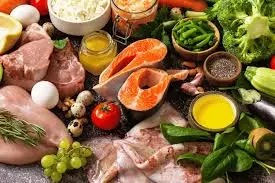
A fast weight loss diet is an eating approach designed to reduce body fat more quickly than traditional slow plans. It usually focuses on lowering calorie intake while keeping nutrition balanced. The main goal is fat loss, not muscle loss or dehydration.
This type of diet often includes whole foods, lean proteins, healthy fats, and controlled carbohydrates. It avoids processed foods, excess sugar, and empty calories. Portion awareness and meal timing also play an important role.
Unlike crash diets, a proper fast weight loss diet still supports basic body needs. It aims to create a calorie deficit without extreme restriction. This helps the body burn stored fat for energy.
Many people follow such a diet for short periods, such as two to four weeks. During this time, results can be noticeable. However, the best plans also prepare you for long-term success.
Why Is a Fast Weight Loss Diet Important?
A fast weight loss diet can be important for motivation and health. Early progress often increases commitment and confidence. When people see results, they are more likely to continue healthy habits.
For some individuals, weight loss is needed for medical reasons. Lowering body fat can improve blood sugar control, blood pressure, and joint health. Quick improvements can reduce health risks when done correctly.
This approach can also help break unhealthy eating patterns. By removing processed foods and focusing on real meals, many people reset their habits. Appetite awareness often improves as well.
However, importance comes with responsibility. Fast does not mean careless. The diet should always support energy levels, digestion, and mental well-being.
Detailed Step-by-Step Guide
Step 1: Set Clear and Realistic Goals
Start by defining what fast weight loss means for you. A healthy target is usually one to two kilograms per week. This pace supports fat loss while protecting muscle.
Write your goal down and set a short timeline. Clear goals help guide food choices and daily actions.
Step 2: Control Calorie Intake Wisely
Calories matter for weight loss. Reduce intake by choosing lower-calorie foods that are filling. Focus on vegetables, lean protein, and whole foods.
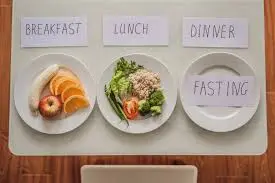
Avoid skipping meals completely. Instead, eat balanced meals with controlled portions. This prevents binge eating later.
Step 3: Prioritize Protein at Every Meal
Protein helps preserve muscle and keeps you full longer. Include eggs, fish, chicken, beans, or tofu in each meal.
A high-protein intake supports a fast weight loss diet by reducing hunger and boosting metabolism slightly.
Step 4: Reduce Refined Carbohydrates
Limit sugar, white bread, pastries, and sweet drinks. These foods spike blood sugar and increase cravings.
Choose complex carbs like oats, brown rice, or sweet potatoes in small portions. Timing them earlier in the day can help.
Step 5: Increase Vegetable Intake
Vegetables are low in calories and high in fiber. They add volume to meals and improve digestion.
Aim to fill half your plate with non-starchy vegetables at lunch and dinner.
Step 6: Drink Enough Water
Water supports fat metabolism and reduces false hunger signals. Drink water before meals to help with portion control.
Avoid sugary drinks and limit alcohol, as they slow progress.
Step 7: Add Light Exercise and Movement
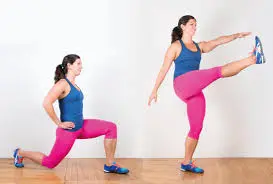
Exercise speeds up results and improves health. Focus on walking, strength training, or short workouts.
You do not need extreme workouts. Consistency matters more than intensity.
Step 8: Get Quality Sleep
Sleep affects hormones that control hunger and fat storage. Poor sleep can slow weight loss.
Aim for seven to eight hours of rest each night to support recovery and balance.
Benefits of a Fast Weight Loss Diet

- Quick visible results that increase motivation
- Improved blood sugar and insulin sensitivity
- Reduced bloating and water retention
- Better portion control awareness
- Boosted confidence and self-discipline
- Jump-start toward long-term healthy habits
Disadvantages and Risks
- Possible fatigue if calories are too low
- Nutrient deficiencies without proper planning
- Muscle loss if protein intake is insufficient
- Increased stress if goals are unrealistic
- Risk of rebound weight gain after stopping
Common Mistakes to Avoid
Many people make the mistake of eating too little. Extreme restriction slows metabolism and increases cravings.
Another common error is avoiding all fats. Healthy fats are essential for hormones and satisfaction.
Skipping protein is also harmful. Without it, muscle loss becomes more likely.
Relying only on the scale can be misleading. Water changes can hide real fat loss progress.
Finally, ignoring rest and sleep often leads to burnout and poor results.
FAQs
How fast can I safely lose weight?
Most people can safely lose one to two kilograms per week on a fast weight loss diet. This rate supports fat loss without harming health.
Is a fast weight loss diet suitable for beginners?
Yes, beginners can follow it if the plan is balanced and simple. Focus on whole foods and avoid extreme rules.
Will I regain weight after finishing?
Weight regain happens if old habits return. Transitioning slowly to maintenance eating helps prevent this.
Can I exercise while following this diet?
Light to moderate exercise is recommended. Strength training helps protect muscle during fast weight loss.
Should I count calories?
Calorie awareness helps, but strict counting is not always necessary. Portion control and food quality matter.
Is this diet safe for everyone?
People with medical conditions should consult a professional. Personal needs and health history matter.
Expert Tips and Bonus Points
Plan meals ahead to avoid poor choices when hungry. Keep healthy snacks ready.
Eat slowly and mindfully. This improves digestion and satisfaction.
Track progress using measurements, photos, or energy levels, not only weight.
Include refeed or higher-calorie days if energy drops too low.
Focus on consistency, not perfection. Small daily actions add up.
Conclusion
A fast weight loss diet can be an effective way to reduce body fat, regain confidence, and improve health when done responsibly. The key is balance. Speed should never come at the cost of well-being. By focusing on nutrient-dense foods, proper portions, and supportive habits, you can see results without harming your body.
This approach works best as a short-term strategy that leads into a sustainable lifestyle. The habits you build during this time, such as mindful eating and regular movement, matter more than the number on the scale. Fast results can motivate you, but long-term success comes from consistency.
Remember that every body responds differently. Listen to your energy levels, hunger signals, and overall mood. Adjust when needed and avoid comparing your journey to others.