
Introduction
Losing weight can feel confusing, stressful, and overwhelming, especially when you are just starting out. There is a lot of advice online, and much of it sounds extreme or unrealistic. This is why learning the right weight loss tips is so important. When you understand the basics, weight loss becomes simpler and more manageable. You do not need fancy supplements or strict rules to see results.
Weight loss is not only about looking better. It is also about improving your health, energy levels, and confidence. With the right habits, you can lose weight in a safe and steady way. This approach helps you keep the weight off instead of gaining it back quickly. Many beginners fail because they try to do too much at once. A gradual plan works better for most people.
In this guide, you will learn practical weight loss tips that fit into real life. The advice is easy to follow and suitable for both beginners and intermediate readers. You will discover how small daily changes can lead to big improvements over time. These methods focus on balance, consistency, and long-term success.
Whether your goal is healthy weight loss, better fitness, or improved well-being, this article will guide you step by step. By the end, you will have a clear understanding of what works, what to avoid, and how to stay motivated on your journey.
What is Weight Loss Tips?

Weight loss tips are simple guidelines and strategies that help people reduce body weight in a healthy way. They focus on improving eating habits, increasing physical activity, and changing daily routines. These tips are not quick fixes. Instead, they support steady progress that lasts over time.
At its core, weight loss happens when your body uses more energy than it takes in. This is often called a calorie deficit. However, good weight loss tips go beyond calorie counting. They also consider food quality, sleep, stress, and mindset. All these factors play a role in how your body responds.
For example, choosing whole foods instead of processed snacks is a basic but powerful tip. Drinking enough water, moving your body regularly, and eating mindfully are also important. When combined, these habits support fat loss without harming your health.
Weight loss tips are flexible. They can be adjusted to match your lifestyle, age, and fitness level. This makes them suitable for people at different stages of their journey.
Why is Weight Loss Tips Important?
Understanding and following proper weight loss tips is important for several reasons. First, it helps you avoid unhealthy methods that can damage your body. Crash diets and extreme workouts often lead to burnout or injury.
Second, good weight loss tips support healthy weight loss. This means losing fat while protecting muscle mass and overall health. When done correctly, weight loss can improve heart health, blood sugar control, and joint function.
Another reason is consistency. Clear tips give you direction and structure. Instead of guessing what to do each day, you follow proven habits. This reduces frustration and increases confidence.
Finally, weight loss tips help you build a positive relationship with food and exercise. You learn to enjoy the process rather than seeing it as punishment. This mindset makes long-term success much more likely.
Detailed Step-by-Step Guide
Step 1: Set Clear and Realistic Goals
Start by setting goals that are specific and achievable. Instead of aiming to lose a large amount quickly, focus on small milestones. For example, aim to lose one to two pounds per week.
Write your goals down and track your progress. This keeps you focused and motivated. Realistic goals reduce pressure and help you stay consistent.
Step 2: Improve Your Eating Habits
Your diet plays a major role in weight loss. Focus on whole, nutrient-dense foods. These include vegetables, fruits, lean proteins, whole grains, and healthy fats.
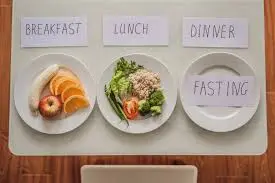
Avoid skipping meals, as this can lead to overeating later. Instead, eat balanced meals at regular times. Portion control is also important. Eating slowly helps you recognize when you are full.
Step 3: Balance Diet and Exercise
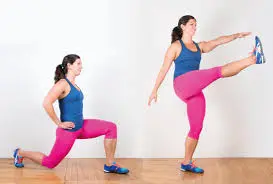
Diet and exercise work best together. You do not need intense workouts to start. Simple activities like walking, cycling, or home exercises are effective.
Aim for at least thirty minutes of movement most days. As your fitness improves, you can add strength training. This helps build muscle and supports fat loss.
Step 4: Stay Hydrated
Drinking enough water supports digestion and reduces unnecessary snacking. Sometimes thirst is mistaken for hunger. Keep a water bottle nearby throughout the day.
Water also helps your body function properly during exercise. Staying hydrated improves energy and focus.
Step 5: Get Enough Sleep
Sleep is often overlooked, but it affects weight loss. Poor sleep can increase hunger and cravings. Aim for seven to nine hours of quality sleep each night.
Create a bedtime routine and limit screen time before sleeping. Good rest supports recovery and hormone balance.
Step 6: Manage Stress Levels
High stress can slow weight loss by increasing emotional eating. Find healthy ways to relax, such as deep breathing, reading, or light stretching.
Taking breaks and setting boundaries also helps reduce stress. A calm mind supports better decisions.
Step 7: Track Progress and Adjust
Tracking your habits helps you understand what works. This does not mean obsessing over numbers. Simply note your meals, activity, and how you feel.
If progress slows, make small adjustments. Consistency matters more than perfection.
Benefits of Weight Loss Tips

- Improved energy and stamina
- Better heart and metabolic health
- Enhanced confidence and self-esteem
- Reduced risk of chronic diseases
- Better sleep and mood
- Sustainable fat loss
- Improved relationship with food
Disadvantages / Risks
- Slow results may test patience
- Requires consistency and discipline
- Initial lifestyle changes can feel uncomfortable
- Possible plateaus during progress
- Misinformation can cause confusion
Common Mistakes to Avoid
Many people make mistakes that slow their progress. One common error is expecting fast results. Weight loss takes time, and rushing often leads to failure.
Another mistake is cutting out entire food groups without reason. This can cause nutrient deficiencies. Overtraining is also a problem, especially for beginners.
Ignoring sleep and stress is another issue. These factors affect hormones and appetite. Finally, comparing yourself to others can reduce motivation. Everyone’s journey is different.
FAQs
How long does it take to see results?
Most people notice small changes within two to four weeks. Visible results depend on consistency, starting weight, and habits.
Can beginners follow these weight loss tips?
Yes, these tips are designed for beginners and intermediate readers. They focus on simple and safe methods.
Do I need to count calories?
Calorie counting can help, but it is not required. Focusing on food quality and portions often works well.
Is exercise mandatory for weight loss?
Exercise is helpful but not mandatory. Diet plays a bigger role, but movement improves results and health.
How do I avoid regaining weight?
Maintain healthy habits even after reaching your goal. Gradual changes are easier to sustain long term.
Are cheat meals allowed?
Occasional treats are fine. Balance and moderation prevent feelings of restriction.
Expert Tips & Bonus Points
Plan your meals ahead to avoid unhealthy choices. Keep healthy snacks available at all times. Celebrate non-scale victories, such as increased energy or better sleep.
Stay patient and trust the process. Consistency beats intensity. Surround yourself with supportive people who encourage healthy habits.
Conclusion
Weight loss does not have to be complicated or stressful. By following simple and proven weight loss tips, you can create a lifestyle that supports lasting results. The key is to focus on balance, not perfection. Small daily habits add up over time and lead to meaningful change.
This guide showed you how to approach healthy weight loss step by step. From setting realistic goals to improving diet and exercise habits, each section plays an important role. When combined, these strategies support fat loss while protecting your health and well-being.
Remember that everyone’s journey is unique. Progress may be slow at times, but consistency will always bring results. Avoid common mistakes, stay patient, and keep learning from your experience. Weight loss is not just about the number on the scale. It is about feeling stronger, healthier, and more confident in your body.