

Introduction
Starting an online fitness training plan can feel confusing at first, especially if you are new to structured workouts or returning after a long break. Many people want to get fit but struggle with time, motivation, or access to a gym. That is where online training becomes helpful. It allows you to follow guided workouts, learn proper techniques, and stay consistent without leaving your home.
An online fitness training plan is designed to give you clear direction. Instead of guessing what exercises to do, you follow a structured schedule created to match your fitness level. This makes training safer and more effective. Beginners can learn the basics step by step, while intermediate users can push their limits with progressive routines.
Another reason people choose online plans is flexibility. You can train early in the morning, during lunch breaks, or late at night. You are not limited by gym hours or travel time. Many plans also include nutrition guidance, recovery advice, and progress tracking, which helps build long-term habits.
In this guide, you will learn what an online fitness training plan really is, why it matters, and how to follow one correctly. You will also discover benefits, risks, common mistakes, expert tips, and answers to common questions. Whether your goal is weight loss, strength, or general fitness, this article will help you make smart decisions and stay consistent.
What is an online fitness training plan?
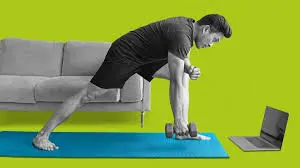
An online fitness training plan is a structured workout program delivered through digital platforms. It can be accessed using a phone, tablet, or computer. These plans are usually created by certified fitness professionals and designed for different goals and fitness levels.
The plan typically includes workout schedules, exercise demonstrations, and clear instructions. Some plans also offer virtual personal training, where a coach provides feedback and adjustments. Others are pre-recorded but still follow a progressive structure.
A home workout program within an online plan may focus on bodyweight exercises, resistance bands, or basic equipment. This makes it accessible for people who do not have a gym membership. Many plans also include warm-ups, cool-downs, and recovery days.
Overall, an online fitness training plan helps users stay organized and motivated. It removes guesswork and provides a clear path toward better health and fitness.
Why is an Online Fitness Training Plan Important?
Having a plan is important because random workouts often lead to poor results. Without structure, people may overtrain, skip key muscle groups, or lose motivation. An online fitness training plan solves these problems by offering balance and consistency.
First, it provides direction. You know exactly what to do each day, which reduces mental stress. Second, it helps track progress. Most plans include measurable goals, such as increased strength or improved endurance.
Another key reason is safety. Beginners often perform exercises incorrectly. Online workout coaching usually includes video demonstrations and cues that reduce injury risk. For intermediate users, structured progression prevents plateaus.
Finally, online plans support long-term habits. They encourage routine, accountability, and gradual improvement. This makes fitness a sustainable part of daily life rather than a short-term effort.
Detailed Step-by-Step Guide
Step 1: Define Your Fitness Goals
Start by identifying what you want to achieve. Goals may include weight loss, muscle gain, flexibility, or overall health. Clear goals help you choose the right online fitness training plan.
Write your goals down and keep them realistic. For example, aim to lose one to two pounds per week or improve strength gradually.
Step 2: Assess Your Current Fitness Level
Understanding your starting point is important. Beginners should choose low-impact routines, while intermediate users can handle more intensity. Many plans include fitness assessments to guide placement.
Be honest about limitations such as injuries or mobility issues. This ensures safe progress.
Step 3: Choose the Right Plan Format
Some people prefer live sessions, while others like pre-recorded workouts. Virtual personal training offers more guidance, but recorded plans provide flexibility.
Consider your schedule, learning style, and budget when choosing a format.
Step 4: Set a Weekly Schedule
Consistency matters more than intensity. Choose workout days that fit your lifestyle. A common schedule includes three to five sessions per week.
Rest days are equally important. They allow muscles to recover and grow stronger.
Step 5: Prepare Your Workout Space
Create a clean and safe area at home. Make sure you have enough room to move freely. Basic equipment like a mat or resistance bands may be helpful.
Good lighting and minimal distractions improve focus and form.
Step 6: Learn Proper Technique
Watch exercise demonstrations carefully. Start with slow, controlled movements. Proper form prevents injuries and improves results.
If the plan offers feedback, use it. Record yourself if needed to check posture.
Step 7: Track Progress and Adjust
Keep a simple workout log. Note how you feel, weights used, and completed sessions. Progress tracking builds motivation.
If workouts feel too easy or too hard, adjust intensity or consult your coach.
Benefits of an Online Fitness Training Plan
- Flexible training schedule
- Access to professional guidance
- Cost-effective compared to gyms
- Suitable for beginners and intermediates
- Clear structure and progression
- Improved consistency and motivation
- Safe home workout program options
Disadvantages / Risks

- Limited in-person supervision
- Requires self-discipline
- Possible technical issues
- Risk of poor form without feedback
- Not ideal for severe medical conditions
Common Mistakes to Avoid
Many people start too fast and burn out. Avoid choosing advanced workouts before mastering basics. Another mistake is skipping warm-ups, which increases injury risk.
Ignoring rest days is also common. Recovery is part of progress. Lastly, do not compare yourself to others. Focus on your own journey and improvement.
FAQs
What equipment do I need for an online fitness training plan?
Most plans require minimal equipment. Bodyweight exercises are common. Some plans use resistance bands or dumbbells. Always check requirements before starting.
Is an online fitness training plan good for beginners?
Yes, many plans are designed for beginners. They include simple movements, clear instructions, and gradual progression to build confidence safely.
How long before I see results?
Results vary based on consistency, nutrition, and effort. Most people notice improvements in strength and energy within four to six weeks.
Can I lose weight with online workout coaching?
Yes, weight loss is possible when workouts are combined with proper nutrition. Consistency and calorie balance are key factors.
Are online plans safe without a trainer present?
They are generally safe if you follow instructions carefully. Choose reputable programs with clear demonstrations and start slowly.
How do I stay motivated?
Set small goals, track progress, and follow a routine. Mixing different workouts also keeps training enjoyable.
Expert Tips & Bonus Points
Start slow and focus on form. Quality matters more than speed. Schedule workouts like appointments to build discipline.
Stay hydrated and fuel your body properly. Nutrition supports performance and recovery.
Review your plan every few weeks. Adjust goals as your fitness improves.
Celebrate small wins. Progress builds confidence and long-term commitment.
Conclusion
An online fitness training plan is a practical and effective way to improve your health from home. It offers structure, flexibility, and professional guidance without the pressure of a gym environment. For beginners, it provides a safe introduction to exercise. For intermediate users, it supports steady progress and skill development.
The key to success is consistency. Choose a plan that matches your goals, schedule, and fitness level. Focus on proper technique, allow time for recovery, and track your progress regularly. While there are some risks, they can be reduced by following instructions carefully and listening to your body.