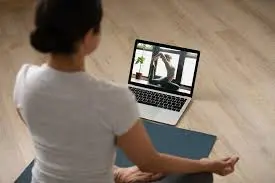

Starting a fitness journey can feel confusing, expensive, and overwhelming, especially if you are new to exercise. Many people want guidance but do not feel comfortable walking into a gym or hiring a traditional coach. This is where a virtual personal trainer becomes a helpful solution. It allows you to train from home while still receiving professional support, structure, and motivation.
A virtual personal trainer uses digital tools like video calls, workout apps, and messaging to guide your workouts. You get clear instructions, progress tracking, and personal feedback without needing to travel. For beginners, this approach removes fear and pressure. For intermediate learners, it adds flexibility and consistency. Most importantly, it makes fitness easier to start and easier to continue.
Today, busy schedules, remote work, and limited gym access have changed how people train. Online personal training fits naturally into modern life. You can work out early in the morning, during lunch, or late at night. You can also choose trainers that match your goals, personality, and budget.
In this guide, you will learn what a virtual personal trainer is, why it matters, how to use one step by step, and what benefits and risks to consider. The goal is to help you decide if this training style is right for you and how to use it effectively.
What is a Virtual Personal Trainer?

A virtual personal trainer is a certified fitness professional who coaches clients remotely instead of meeting in person. Training sessions, plans, and check-ins happen through online platforms. This may include video workouts, live calls, recorded demonstrations, and regular progress reviews.
Unlike generic workout videos, virtual fitness coaching is personalized. The trainer considers your age, fitness level, goals, injuries, and available equipment. Based on this information, they create a custom plan that fits your lifestyle. Communication usually happens through apps, email, or messaging, making support easy and ongoing.
Many people confuse online personal training with fitness apps. While apps can be helpful, a personal trainer online provides human guidance. They correct form, adjust programs, and keep you accountable. This human connection is what helps many people stay consistent.
Virtual training can be fully live, semi-live, or fully recorded. Live sessions feel similar to video calls, where the trainer watches and coaches in real time. Semi-live programs include weekly check-ins and updated plans. Recorded programs offer flexibility with occasional feedback. Each style works for different needs and schedules.
Overall, a virtual personal trainer combines technology with expert coaching to bring structured fitness guidance directly to your home.
Why is a Virtual Personal Trainer Important?
Fitness success often depends on consistency, proper guidance, and motivation. Without support, many beginners quit within weeks. A virtual personal trainer fills this gap by providing structure and accountability in a flexible format.
One key reason virtual training is important is accessibility. Not everyone lives near a quality gym or can afford in-person sessions. Virtual fitness coaching removes location limits and often costs less. This opens the door for more people to get professional help.
Safety is another major factor. Beginners may use poor form or choose the wrong exercises. With online personal training, a trainer can teach correct movement through videos and feedback. This reduces injury risk and builds confidence.
Virtual training also supports long-term habits. Instead of quick fixes, trainers focus on realistic routines you can maintain. They help adjust workouts during busy weeks, travel, or low motivation periods. This ongoing guidance keeps progress steady.
Finally, a virtual personal trainer adapts as you improve. Programs change with your strength, endurance, and goals. This prevents plateaus and keeps workouts interesting, making fitness a lasting part of your life.
Detailed Step-by-Step Guide
Step 1: Define Your Goals
Before choosing a trainer, be clear about your goals. These may include weight loss, muscle building, improved mobility, or better overall health. Clear goals help the trainer design the right program.
Step 2: Choose the Right Virtual Personal Trainer
Look for certified professionals with experience in online personal training. Check their communication style, specialties, and reviews. A good match increases trust and results.
Step 3: Complete an Assessment
Most trainers start with an assessment. This may include health history, movement tests, and lifestyle questions. Honest answers help avoid injuries and improve results.
Step 4: Set Up Your Training Space
You do not need a full gym. A small clear area, stable internet, and basic equipment are enough. Many virtual fitness coaching programs use bodyweight exercises.
Step 5: Follow the Program Consistently
Consistency matters more than perfection. Follow the schedule, complete workouts, and communicate with your trainer. This builds momentum and steady progress.
Step 6: Track Progress and Adjust
Progress tracking includes measurements, photos, and performance feedback. A personal trainer online uses this data to adjust intensity and exercises. This keeps results moving forward.
Benefits of a Virtual Personal Trainer
The advantages of virtual training go beyond convenience. These benefits support long-term success for many different fitness levels.
- Flexible scheduling that fits busy lives
- Lower cost compared to in-person training
- Personalized programs and feedback
- Comfort and privacy of home workouts
- Access to global training expertise
- Ongoing motivation and accountability
Disadvantages / Risks

While virtual training has many strengths, it is not perfect. Understanding possible downsides helps you make an informed decision.
- Limited hands-on correction
- Requires self-discipline
- Dependent on technology quality
- Not ideal for all medical conditions
Common Mistakes to Avoid
One common mistake is choosing a trainer based only on price. Cheap programs may lack personalization and support. Another mistake is skipping warm-ups or ignoring form cues. This increases injury risk.
Some people also expect instant results. Fitness progress takes time and consistency. Missing sessions or not communicating challenges slows improvement. Finally, many users fail to set realistic schedules. Overtraining leads to burnout and frustration.
FAQs
What equipment do I need for virtual training?
Most virtual personal trainer programs require minimal equipment. Many start with bodyweight exercises like squats, push-ups, and planks. As you progress, your trainer may suggest resistance bands, dumbbells, or a yoga mat. The exact needs depend on your goals and space. A stable internet connection and a device with a camera are also important. Trainers often adapt workouts if you lack certain tools, making online personal training flexible for beginners.
Is a virtual personal trainer suitable for beginners?
Yes, virtual training is very beginner-friendly when done correctly. Trainers design programs based on your starting level and teach proper form slowly. Beginners benefit from privacy and reduced gym pressure. Clear instructions, videos, and regular check-ins make learning easier. Communication is key, so asking questions helps avoid mistakes. With the right guidance, beginners can build confidence and strong habits through virtual fitness coaching.
How much does a virtual personal trainer cost?
Costs vary depending on experience, program type, and session frequency. Monthly plans may range from affordable app-based coaching to higher-priced live sessions. Virtual options are usually cheaper than in-person training. Many trainers offer packages, trials, or flexible plans. Choosing based on value, not just price, leads to better long-term results.
Can I build muscle with online personal training?
Yes, muscle building is possible with proper programming. A personal trainer online creates strength plans using progressive overload. Even with limited equipment, tempo, reps, and intensity can be adjusted. Nutrition guidance may also be included. Consistency and recovery play major roles in muscle growth, regardless of training location.
How do trainers correct form remotely?
Trainers use video demonstrations, live sessions, and recorded feedback. Clients may send workout videos for review. The trainer then provides cues and corrections. Clear camera angles and communication improve accuracy. Over time, clients develop body awareness and better technique through repeated guidance.
Is virtual training effective for weight loss?
Virtual training can be very effective for weight loss when combined with healthy habits. Trainers focus on calorie balance, movement, and consistency. Regular check-ins keep motivation high. Because programs fit daily life, many people stick with them longer. This consistency often leads to sustainable weight loss results.
Expert Tips & Bonus Points
To get the most from a virtual personal trainer, treat sessions like important appointments. Prepare your space and remove distractions. Be honest about energy levels and challenges. This allows trainers to adjust plans effectively.
Track more than just weight. Note strength gains, endurance, sleep, and mood. These indicators show real progress. Ask for feedback regularly and review goals every few weeks.
Bonus tip: combine virtual training with daily movement. Short walks, stretching, or mobility work support recovery. Also, invest in basic equipment over time if possible. Small upgrades expand exercise options.
Finally, remember that consistency beats intensity. Showing up regularly builds habits and results. With patience and communication, virtual fitness coaching becomes a powerful long-term tool.
Conclusion
A virtual personal trainer has changed how people approach fitness in a modern, flexible world. For beginners, it removes fear, confusion, and gym pressure. For intermediate users, it adds structure, accountability, and long-term direction. Training from home no longer means training alone.
By combining expert guidance with digital convenience, virtual training fits into real life. You can work around your schedule, budget, and comfort level without sacrificing quality support. Personalized plans, regular feedback, and human connection make online personal training far more effective than random workouts.